

Personalized Esophageal Surgery: What Patients Should Know
December 27, 2025
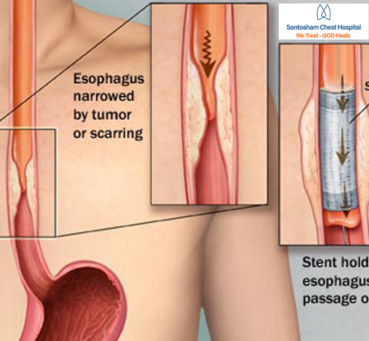
Esophageal surgery is performed to treat conditions affecting the esophagus, the tube that carries food from the mouth to the stomach. These conditions may include esophageal cancer, swallowing disorders, strictures, reflux-related damage, or motility problems. Since every patient’s health condition is different, modern esophageal surgery follows a personalized approach to achieve safer procedures, faster recovery, and better long-term results.
What Is Esophageal Surgery?
Esophageal surgery involves repairing, removing, or reconstructing part of the esophagus when medical treatment alone is not sufficient. Depending on the condition, surgery may focus on removing diseased tissue, improving swallowing function, or restoring normal digestion.
Common surgical approaches include:
-
Open esophageal surgery
-
Minimally invasive surgery
-
Advanced surgical techniques for precision and safety
The choice of procedure depends on the patient’s diagnosis, overall health, and surgical goals.
Why Personalized Esophageal Surgery Is Important
No two patients are the same. Personalized esophageal surgery considers multiple factors such as:
-
The type and severity of the esophageal condition
-
Patient age, weight, and nutritional status
-
Heart and lung health
-
Lifestyle habits and recovery capacity
By tailoring the surgical plan to each individual, surgeons can reduce complications, improve healing, and enhance quality of life after surgery.
Preparing for Esophageal Surgery
Proper preparation plays a major role in surgical success. Before surgery, patients may undergo:
Medical Evaluation
-
Blood tests and imaging studies
-
Endoscopic evaluation of the esophagus
-
Fitness and anesthesia assessment
Nutritional & Lifestyle Preparation
-
Diet planning to improve strength and immunity
-
Breathing exercises and physical conditioning
-
Temporary changes in medications if required
Patients are also guided on what to expect during hospital stay and recovery.
What Happens During Surgery
During esophageal surgery, the surgeon removes or corrects the affected portion of the esophagus and restores the digestive pathway. The surgical technique is selected based on the patient’s condition and anatomy.
The goal is always to preserve normal swallowing function while ensuring complete treatment of the disease.
Risks and Safety Considerations
Like any major surgery, esophageal procedures may carry risks such as:
-
Infection
-
Breathing complications
-
Difficulty swallowing during early recovery
-
Delayed healing
Personalized planning and experienced surgical care help minimize these risks and support safer outcomes.
Recovery After Esophageal Surgery
Recovery time varies from patient to patient. Most individuals require several weeks to regain strength and adjust to dietary changes.
Dietary Adjustments
-
Start with liquids and soft foods
-
Eat small, frequent meals
-
Gradually return to regular foods as advised
Physical Recovery
-
Gentle walking and breathing exercises
-
Gradual return to daily activities
-
Regular follow-up visits for monitoring progress
With proper guidance, most patients adapt well and experience significant improvement in symptoms.
Questions Patients Should Ask Their Doctor
To better understand your treatment plan, consider asking:
-
Which surgical option is best for my condition?
-
How long will recovery take?
-
What dietary changes will I need after surgery?
-
What follow-up care will be required?
Clear communication helps patients feel confident and informed throughout the treatment journey.
Conclusion
Personalized esophageal surgery focuses on treating the condition while caring for the whole patient. With careful planning, expert surgical care, and structured recovery support, patients can achieve improved swallowing, better comfort, and a healthier quality of life.
For expert evaluation and advanced esophageal care, consult the specialists at SanChest and take the next step toward better digestive health.
RECENT BLOGS
- Why Breathing Problems Increase During Summer in Chennai
- What to Expect During Your First Lung Checkup
- Top Causes of Asthma Attacks and How to Prevent Them
- Inside a Super Specialty Chest Hospital: Facilities Explained
- Best Treatment Options for Asthma in Adults
- Early Warning Signs of Lung Diseases You Should Never Ignore
- Why Early Stomach Testing Can Prevent Serious Complications
- How Breathing Problems Can Indicate a Surgical Chest Condition
- What Is Bronchoscopy? Procedure, Uses, and Benefits Explained
- Personalized Esophageal Surgery: What Patients Should Know
- Global Thoracic Surgery Market & Growth Trends in 2026
- When Chest Pain Is Not a Heart Attack: Other Possible Causes
- Hidden Causes of High Blood Pressure: Reasons Most People Ignore
- Signs Your Body Needs Physiotherapy: Don’t Ignore These Early Symptoms
- Understanding Echocardiography: What It Reveals About Your Heart
- Top Benefits of Physiotherapy for Heart and Lung Patients
- Signs You Might Have High Cholesterol and How to Lower It Naturally
- Contrast vs. Non-Contrast CT Scans: Key Differences Explained
- Frequently Asked Questions About Gastroscopy: A Patient-Friendly Guide
- How Better Sleep Improves Lung Health and Eases Breathing Problems
- Breathe Better, Live Better: How Yoga Improves Lung and Heart Health
- Managing High Cholesterol Naturally: Food, Exercise & Lifestyle
- Tips for Traveling Safely with Heart or Lung Conditions
- Understanding Hypertension: Causes, Symptoms, and Control Strategies
- Why Regular Checkups Matter: Early Detection for Heart and Lung Health
- Understanding Sleep Apnea: Causes, Symptoms, and Treatment Options
- How Diabetes Affects Your Heart and Lungs: What You Need to Know
- Post-Heart Surgery Care: Essential Tips for Faster Recovery and Better Heart Health
- Physiotherapy in Healthcare: Why It's Essential for Post-Operative Recovery
- A Complete Guide to Ultrasonography: Procedure, Benefits, and Applications
- The Complete Guide to Pulmonary Function Tests: Preparing, Procedure, and Results
- Breathing Easy: Simple Habits for Better Lung Health and Wellness
- Understanding Asthma: Symptoms, Triggers, and How to Manage It Effectively
- Recognizing a Heart Attack: Early Symptoms and Immediate Steps to Take
- CT Scans: Everything You Need to Know – Procedure, Precautions, and How They Help Your Health
- Choosing the Right Hospital: What Patients Need to Know for Better Healthcare
- The Journey to Better Digestive Health: Identifying Issues with Gastroscopy
- Simple Food Habits to Boost Your Immune System and Respiratory Health
- The Importance of Regular Health Screenings for Heart Disease Prevention
- Fit for Life: The Health Benefits of Regular Exercise for Everyone
- Living with Pulmonary Hypertension: Managing Symptoms and Improving Quality of Life
- Exploring the Lifelong Benefits of Physical Activity on Heart Health
- The Role of CT Scans in Diagnosing Respiratory Conditions: What Patients Need to Know
- Unlocking the Benefits of Regular Physical Activity for Heart Health
- The Role of Diet in Asthma Management: Foods to Eat and Avoid
- The Role of CT Scans in Diagnosing Respiratory Disorders
- How to Prepare for Thoracic Surgery: A Patients Guide
- BreatheWell Insights: Navigating Respiratory Health with Santosham Chest Hospital
- Gastroscopy Demystified: Your Essential Guide to Digestive Health
- Thoracic back pain treatment
- Quit smoking save your lungs – how to quit smoking?
- Asthma Symptoms and Treatments You Should Know
- Best Chest Hospital in India
- Exercises for COPD patients
- What to Expect at a Pulmonary Function Test
- Types of Asthma Medications
- Tips for keeping your lungs healthy
- Santosham Hospital- the best Pulmonology Hospital in India
- Guide to Gastroscopy - Symptoms & Procedure
- COPD - Know the Signs and Symptoms & Get the Facts
- Living with Pulmonary Hypertension
- Smoking and COPD Effects
- Earliest Symptoms of Lung Cancer
- What You Need To Know About Asthma
- Side Effects of Eating Too Much Chocolate
- Top 4 Ways You Can Purify Your Lungs Naturally
- Rotational shifts are disrupting your metabolism
- How to survive heart attack when you’re alone?
- Tips for a Healthy Mind, Body And Spirit
- Seven Ways to Cut the Junk Food
- How Fruits and Vegetables are important for the diet?
- 5 reasons why walk is the best workout
- 7 benefits of eating healthy and exercising regularly
- 7 Best Exercise To Keep Your Heart Healthy Forever
- 10 Good Habits for Healthy Heart
- 10 Foods to Keep your Heart Healthy