

What Is Bronchoscopy? Procedure, Uses, and Benefits Explained
January 10, 2026
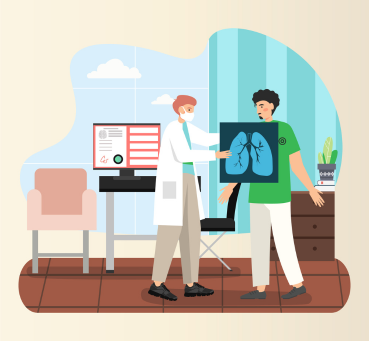
Bronchoscopy is a minimally invasive medical procedure used to examine the airways and lungs. It helps doctors accurately diagnose and sometimes treat various respiratory conditions. At Sanchest, bronchoscopy is performed using advanced equipment under expert supervision to ensure patient safety, comfort, and precise results.
This blog explains what bronchoscopy is, how the bronchoscopy procedure is done, its uses, and the key benefits, in simple terms.
What Is Bronchoscopy?
Bronchoscopy is a diagnostic procedure that allows a chest specialist to look directly inside the airways (bronchi) and lungs using a thin, flexible tube called a bronchoscope. The bronchoscope has a light and camera at its tip, which transmits clear images to a monitor.
A bronchoscopy test helps identify the cause of persistent respiratory symptoms when imaging tests like X-rays or CT scans are not sufficient.
Types of Bronchoscopy
There are two main types of bronchoscopy:
1. Flexible Bronchoscopy
-
Most commonly performed
-
Uses a thin, flexible bronchoscope
-
Done under local anesthesia with mild sedation
2. Rigid Bronchoscopy
-
Uses a straight, rigid tube
-
Typically performed under general anesthesia
-
Used in specific cases such as removing foreign objects or controlling bleeding
At Sanchest, flexible bronchoscopy is commonly used for accurate lung diagnosis with minimal discomfort.
Bronchoscopy Procedure: Step-by-Step
Understanding the bronchoscopy procedure can help reduce anxiety and improve patient comfort.
Before the Procedure
-
Patients are advised not to eat or drink for 6–8 hours
-
Certain medications may be adjusted
-
Local anesthesia is applied to numb the throat
During the Bronchoscopy Procedure
-
The bronchoscope is gently passed through the nose or mouth
-
The doctor examines the airways and lungs in real time
-
Samples (biopsy, fluid, or mucus) may be collected if needed
-
The bronchoscopy test usually takes 20–40 minutes
After the Procedure
-
Mild throat irritation or cough may occur temporarily
-
Patients are monitored for a short period
-
Normal activities can usually resume the same day
Uses of Bronchoscopy
Bronchoscopy is widely used to diagnose and manage lung and airway conditions. Common uses include:
-
Identifying the cause of chronic cough
-
Evaluating unexplained breathlessness
-
Diagnosing lung infections such as tuberculosis
-
Detecting lung cancer or airway tumors
-
Investigating coughing up blood (hemoptysis)
-
Assessing abnormal chest X-ray or CT scan findings
-
Removing mucus plugs or foreign bodies
-
Collecting lung tissue or fluid samples for testing
The bronchoscopy test provides direct visualization, making it more accurate than imaging alone.
Benefits of Bronchoscopy
Bronchoscopy offers several important benefits for patients with respiratory symptoms:
-
Accurate diagnosis through direct airway examination
-
Minimally invasive compared to surgical procedures
-
Quick recovery time
-
Helps in early detection of serious lung diseases
-
Can be both diagnostic and therapeutic
-
Safe and well-tolerated when performed by experienced specialists
At Sanchest, bronchoscopy is conducted with a strong focus on patient safety and clinical precision.
Is Bronchoscopy Safe?
Yes, bronchoscopy is generally a safe procedure. Complications are rare and usually mild, such as temporary sore throat or cough. Serious complications are uncommon when the bronchoscopy procedure is performed in a specialized chest care center.
Why Choose Sanchest for Bronchoscopy?
-
Experienced chest physicians
-
Advanced bronchoscopy equipment
-
High safety standards
-
Accurate diagnosis and personalized care
-
Comfortable and patient-friendly environment
If you are experiencing persistent respiratory symptoms, a bronchoscopy test at Sanchest can help identify the underlying cause and guide effective treatment.
Conclusion
Bronchoscopy is a reliable and effective procedure for diagnosing and managing lung and airway conditions. By allowing direct visualization of the respiratory tract, the bronchoscopy procedure helps doctors make accurate diagnoses and begin timely treatment.
For expert bronchoscopy services, consult the specialists at Sanchest and take a confident step toward better respiratory health.
RECENT BLOGS
- Top Causes of Asthma Attacks and How to Prevent Them
- Inside a Super Specialty Chest Hospital: Facilities Explained
- Best Treatment Options for Asthma in Adults
- Early Warning Signs of Lung Diseases You Should Never Ignore
- Why Early Stomach Testing Can Prevent Serious Complications
- How Breathing Problems Can Indicate a Surgical Chest Condition
- What Is Bronchoscopy? Procedure, Uses, and Benefits Explained
- Personalized Esophageal Surgery: What Patients Should Know
- Global Thoracic Surgery Market & Growth Trends in 2026
- When Chest Pain Is Not a Heart Attack: Other Possible Causes
- Hidden Causes of High Blood Pressure: Reasons Most People Ignore
- Signs Your Body Needs Physiotherapy: Don’t Ignore These Early Symptoms
- Understanding Echocardiography: What It Reveals About Your Heart
- Top Benefits of Physiotherapy for Heart and Lung Patients
- Signs You Might Have High Cholesterol and How to Lower It Naturally
- Contrast vs. Non-Contrast CT Scans: Key Differences Explained
- Frequently Asked Questions About Gastroscopy: A Patient-Friendly Guide
- How Better Sleep Improves Lung Health and Eases Breathing Problems
- Breathe Better, Live Better: How Yoga Improves Lung and Heart Health
- Managing High Cholesterol Naturally: Food, Exercise & Lifestyle
- Tips for Traveling Safely with Heart or Lung Conditions
- Understanding Hypertension: Causes, Symptoms, and Control Strategies
- Why Regular Checkups Matter: Early Detection for Heart and Lung Health
- Understanding Sleep Apnea: Causes, Symptoms, and Treatment Options
- How Diabetes Affects Your Heart and Lungs: What You Need to Know
- Post-Heart Surgery Care: Essential Tips for Faster Recovery and Better Heart Health
- Physiotherapy in Healthcare: Why It's Essential for Post-Operative Recovery
- A Complete Guide to Ultrasonography: Procedure, Benefits, and Applications
- The Complete Guide to Pulmonary Function Tests: Preparing, Procedure, and Results
- Breathing Easy: Simple Habits for Better Lung Health and Wellness
- Understanding Asthma: Symptoms, Triggers, and How to Manage It Effectively
- Recognizing a Heart Attack: Early Symptoms and Immediate Steps to Take
- CT Scans: Everything You Need to Know – Procedure, Precautions, and How They Help Your Health
- Choosing the Right Hospital: What Patients Need to Know for Better Healthcare
- The Journey to Better Digestive Health: Identifying Issues with Gastroscopy
- Simple Food Habits to Boost Your Immune System and Respiratory Health
- The Importance of Regular Health Screenings for Heart Disease Prevention
- Fit for Life: The Health Benefits of Regular Exercise for Everyone
- Living with Pulmonary Hypertension: Managing Symptoms and Improving Quality of Life
- Exploring the Lifelong Benefits of Physical Activity on Heart Health
- The Role of CT Scans in Diagnosing Respiratory Conditions: What Patients Need to Know
- Unlocking the Benefits of Regular Physical Activity for Heart Health
- The Role of Diet in Asthma Management: Foods to Eat and Avoid
- The Role of CT Scans in Diagnosing Respiratory Disorders
- How to Prepare for Thoracic Surgery: A Patients Guide
- BreatheWell Insights: Navigating Respiratory Health with Santosham Chest Hospital
- Gastroscopy Demystified: Your Essential Guide to Digestive Health
- Thoracic back pain treatment
- Quit smoking save your lungs – how to quit smoking?
- Asthma Symptoms and Treatments You Should Know
- Best Chest Hospital in India
- Exercises for COPD patients
- What to Expect at a Pulmonary Function Test
- Types of Asthma Medications
- Tips for keeping your lungs healthy
- Santosham Hospital- the best Pulmonology Hospital in India
- Guide to Gastroscopy - Symptoms & Procedure
- COPD - Know the Signs and Symptoms & Get the Facts
- Living with Pulmonary Hypertension
- Smoking and COPD Effects
- Earliest Symptoms of Lung Cancer
- What You Need To Know About Asthma
- Side Effects of Eating Too Much Chocolate
- Top 4 Ways You Can Purify Your Lungs Naturally
- Rotational shifts are disrupting your metabolism
- How to survive heart attack when you’re alone?
- Tips for a Healthy Mind, Body And Spirit
- Seven Ways to Cut the Junk Food
- How Fruits and Vegetables are important for the diet?
- 5 reasons why walk is the best workout
- 7 benefits of eating healthy and exercising regularly
- 7 Best Exercise To Keep Your Heart Healthy Forever
- 10 Good Habits for Healthy Heart
- 10 Foods to Keep your Heart Healthy