

Is Pulmonary Tuberculosis Curable? Understanding Modern Treatment
16/07/2026
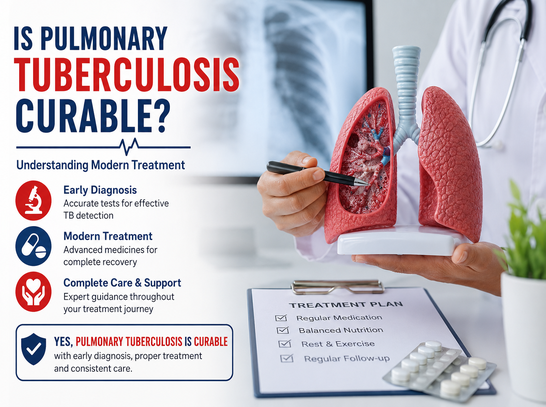
Pulmonary tuberculosis (TB) is one of the most common infectious diseases affecting the lungs. Although it remains a significant health concern, modern medicine has made tuberculosis a highly treatable and curable disease when diagnosed early and managed correctly.
Many people worry after receiving a TB diagnosis, wondering whether they will recover completely or if the disease will permanently affect their lungs. The good news is that most patients with drug-sensitive pulmonary tuberculosis can achieve a full recovery by following the prescribed treatment plan without interruption.
At Santosham Chest Hospital, Chennai, our experienced pulmonologists provide comprehensive diagnosis, personalised treatment, and continuous follow-up care to help patients recover safely while preventing the spread of infection. The hospital has a long-standing history of treating tuberculosis and other respiratory diseases through specialised medical care.
What Is Pulmonary Tuberculosis?
Pulmonary tuberculosis is a bacterial infection caused by Mycobacterium tuberculosis. It primarily affects the lungs and spreads through tiny airborne droplets released when a person with active TB coughs, sneezes, or speaks.
Although TB mainly affects the lungs, it can also spread to other organs if left untreated. Early diagnosis significantly improves treatment outcomes while reducing the risk of transmission to others.
Is Pulmonary Tuberculosis Curable?
Yes. Pulmonary tuberculosis is curable in most patients when:
- The disease is diagnosed early.
- Treatment begins promptly.
- Medicines are taken exactly as prescribed.
- The complete course of treatment is finished.
- Regular follow-up appointments are attended.
Stopping medication too early or missing doses can lead to treatment failure, recurrence, or drug-resistant tuberculosis, which requires longer and more complex treatment.
Modern Treatment for Pulmonary Tuberculosis
Today's tuberculosis treatment is far more effective than it was decades ago. Doctors use a combination of antibiotics designed to eliminate the bacteria completely.
Treatment generally includes:
- Comprehensive medical evaluation
- Chest X-ray and CT scan when required
- Sputum examination and laboratory testing
- Pulmonary assessment
- Regular monitoring during treatment
- Nutritional and lifestyle guidance
- Follow-up imaging and clinical review
The duration of treatment depends on the severity of the infection and whether the bacteria are drug-sensitive or drug-resistant. Your pulmonologist will determine the most appropriate treatment plan based on your condition.
Symptoms That Should Never Be Ignored
Early recognition of symptoms allows treatment to begin before complications develop.
Common symptoms include:
- Persistent cough lasting more than two weeks
- Chest pain
- Fever
- Night sweats
- Weight loss
- Fatigue
- Loss of appetite
- Blood in sputum
Anyone experiencing these symptoms should consult a chest physician without delay.
How Is Pulmonary Tuberculosis Diagnosed?
Modern diagnostic facilities enable doctors to detect tuberculosis accurately and begin treatment quickly.
Your pulmonologist may recommend:
- Clinical examination
- Chest X-ray
- CT scan of the chest
- Sputum testing
- Laboratory investigations
- Bronchoscopy in selected cases
- Pulmonary function testing if lung function needs evaluation
Accurate diagnosis helps determine the severity of the disease and guides effective treatment.
Can Tuberculosis Come Back?
Tuberculosis can recur if treatment is stopped prematurely or medications are not taken as directed.
The chances of recurrence can be reduced by:
- Completing the full course of medicines
- Attending all follow-up visits
- Maintaining good nutrition
- Avoiding smoking
- Managing diabetes and other chronic illnesses
- Following your doctor's advice carefully
Lifestyle Tips During Recovery
Recovering from pulmonary tuberculosis involves more than taking medication.
Patients should:
- Eat a balanced, protein-rich diet
- Drink adequate fluids
- Get sufficient rest
- Avoid smoking and alcohol
- Maintain good personal hygiene
- Cover the mouth while coughing
- Keep rooms well ventilated
- Attend regular medical reviews
Following these steps supports healing and reduces the risk of spreading infection.
When Should You See a Pulmonologist?
Consult a pulmonologist immediately if you experience:
- A cough lasting more than two weeks
- Fever with unexplained weight loss
- Blood in sputum
- Persistent chest pain
- Recurrent respiratory infections
- Difficulty breathing
- A history of close contact with a TB patient
Early specialist evaluation can prevent complications and improve recovery.
Why Choose Santosham Chest Hospital for Pulmonary Tuberculosis Treatment?
Santosham Chest Hospital is one of Chennai's dedicated respiratory care centres with decades of experience in diagnosing and treating tuberculosis and other lung diseases. The hospital offers specialised pulmonology services, thoracic surgery, bronchoscopy, CT scan facilities, intensive care, pulmonary function testing, and comprehensive respiratory care under experienced specialists.
Conclusion
Pulmonary tuberculosis is no longer a disease to fear when diagnosed and treated early. Advances in medical diagnosis, effective antibiotic therapy, and specialised respiratory care have significantly improved recovery rates.
If you have a persistent cough, unexplained weight loss, fever, or other symptoms of tuberculosis, seek medical attention without delay. Early diagnosis, timely treatment, and completing the prescribed medication course offer the best chance of a complete recovery and help protect your family and community.
Frequently Asked Questions
1. Is pulmonary tuberculosis completely curable?
Yes. Most patients recover completely when diagnosed early and complete the full course of treatment.
2. How long does TB treatment usually take?
Treatment duration varies depending on the type and severity of tuberculosis. Your pulmonologist will determine the appropriate course.
3. Is pulmonary tuberculosis contagious?
Active pulmonary tuberculosis can spread through the air. Early diagnosis and treatment significantly reduce transmission.
4. Can tuberculosis permanently damage the lungs?
Delayed diagnosis or severe infection may lead to lung damage. Early treatment reduces this risk.
5. Which doctor treats pulmonary tuberculosis?
A pulmonologist or chest physician specialises in diagnosing and treating pulmonary tuberculosis.
6. Can TB return after treatment?
It can recur if treatment is incomplete or interrupted. Completing the prescribed medication course helps prevent recurrence.
7. What foods should TB patients eat?
A nutritious diet rich in protein, fruits, vegetables, whole grains, and adequate fluids supports recovery.
8. When should I visit Santosham Chest Hospital?
Visit immediately if you have a persistent cough, coughing up blood, chest pain, fever, weight loss, or night sweats for proper evaluation by a respiratory specialist.
RECENT BLOGS
- Why Does a Cold Sometimes Turn Into a Chest Infection? Understanding the Warning Signs
- Why a Dry Cough and Breathlessness During Activity Should Not Be Ignored
- Persistent Cough or Tuberculosis? When Should You Get Tested for TB?
- Why Asthma Gets Worse at Night: Causes & What to Do
- Uniportal VATS: How Single-Incision Thoracic Surgery Works
- Is Pulmonary Tuberculosis Curable? Understanding Modern Treatment
- Gastroscopy Treatment in Chennai | Upper GI Endoscopy | Santosham Chest Hospital
- How CT-Guided Biopsy Helps Diagnose Lung Tumors
- Best Ways to Keep Your Lungs Healthy Naturally
- Best Interstitial Lung Disease Treatment in Chennai – Symptoms, Causes & Care
- Why Breathing Problems Increase During Summer in Chennai
- What to Expect During Your First Lung Checkup
- Top Causes of Asthma Attacks and How to Prevent Them
- Inside a Super Specialty Chest Hospital: Facilities Explained
- Best Treatment Options for Asthma in Adults
- Early Warning Signs of Lung Diseases You Should Never Ignore
- Why Early Stomach Testing Can Prevent Serious Complications
- How Breathing Problems Can Indicate a Surgical Chest Condition
- What Is Bronchoscopy? Procedure, Uses, and Benefits Explained
- Personalized Esophageal Surgery: What Patients Should Know
- Global Thoracic Surgery Market & Growth Trends in 2026
- When Chest Pain Is Not a Heart Attack: Other Possible Causes
- Hidden Causes of High Blood Pressure: Reasons Most People Ignore
- Signs Your Body Needs Physiotherapy: Don’t Ignore These Early Symptoms
- Understanding Echocardiography: What It Reveals About Your Heart
- Top Benefits of Physiotherapy for Heart and Lung Patients
- Signs You Might Have High Cholesterol and How to Lower It Naturally
- Contrast vs. Non-Contrast CT Scans: Key Differences Explained
- Frequently Asked Questions About Gastroscopy: A Patient-Friendly Guide
- How Better Sleep Improves Lung Health and Eases Breathing Problems
- Breathe Better, Live Better: How Yoga Improves Lung and Heart Health
- Managing High Cholesterol Naturally: Food, Exercise & Lifestyle
- Tips for Traveling Safely with Heart or Lung Conditions
- Understanding Hypertension: Causes, Symptoms, and Control Strategies
- Why Regular Checkups Matter: Early Detection for Heart and Lung Health
- Understanding Sleep Apnea: Causes, Symptoms, and Treatment Options
- How Diabetes Affects Your Heart and Lungs: What You Need to Know
- Post-Heart Surgery Care: Essential Tips for Faster Recovery and Better Heart Health
- Physiotherapy in Healthcare: Why It's Essential for Post-Operative Recovery
- A Complete Guide to Ultrasonography: Procedure, Benefits, and Applications
- The Complete Guide to Pulmonary Function Tests: Preparing, Procedure, and Results
- Breathing Easy: Simple Habits for Better Lung Health and Wellness
- Understanding Asthma: Symptoms, Triggers, and How to Manage It Effectively
- Recognizing a Heart Attack: Early Symptoms and Immediate Steps to Take
- CT Scans: Everything You Need to Know � Procedure, Precautions, and How They Help Your Health
- Choosing the Right Hospital: What Patients Need to Know for Better Healthcare
- The Journey to Better Digestive Health: Identifying Issues with Gastroscopy
- Simple Food Habits to Boost Your Immune System and Respiratory Health
- The Importance of Regular Health Screenings for Heart Disease Prevention
- Fit for Life: The Health Benefits of Regular Exercise for Everyone
- Living with Pulmonary Hypertension: Managing Symptoms and Improving Quality of Life
- Exploring the Lifelong Benefits of Physical Activity on Heart Health
- The Role of CT Scans in Diagnosing Respiratory Conditions: What Patients Need to Know
- Unlocking the Benefits of Regular Physical Activity for Heart Health
- The Role of Diet in Asthma Management: Foods to Eat and Avoid
- The Role of CT Scans in Diagnosing Respiratory Disorders
- How to Prepare for Thoracic Surgery: A Patients Guide
- BreatheWell Insights: Navigating Respiratory Health with Santosham Chest Hospital
- Gastroscopy Demystified: Your Essential Guide to Digestive Health
- Thoracic back pain treatment
- Quit smoking save your lungs � how to quit smoking?
- Asthma Symptoms and Treatments You Should Know
- Best Chest Hospital in India
- Exercises for COPD patients
- What to Expect at a Pulmonary Function Test
- Types of Asthma Medications
- Tips for keeping your lungs healthy
- Santosham Hospital- the best Pulmonology Hospital in India
- Guide to Gastroscopy - Symptoms & Procedure
- COPD - Know the Signs and Symptoms & Get the Facts
- Living with Pulmonary Hypertension
- Smoking and COPD Effects
- Earliest Symptoms of Lung Cancer
- What You Need To Know About Asthma
- Side Effects of Eating Too Much Chocolate
- Top 4 Ways You Can Purify Your Lungs Naturally
- Rotational shifts are disrupting your metabolism
- How to survive heart attack when you�re alone?
- Tips for a Healthy Mind, Body And Spirit
- Seven Ways to Cut the Junk Food
- How Fruits and Vegetables are important for the diet?
- 5 reasons why walk is the best workout
- 7 benefits of eating healthy and exercising regularly
- 7 Best Exercise To Keep Your Heart Healthy Forever
- 10 Good Habits for Healthy Heart
- 10 Foods to Keep your Heart Healthy