

Why Does a Cold Sometimes Turn Into a Chest Infection? Understanding the Warning Signs
October 16, 2026
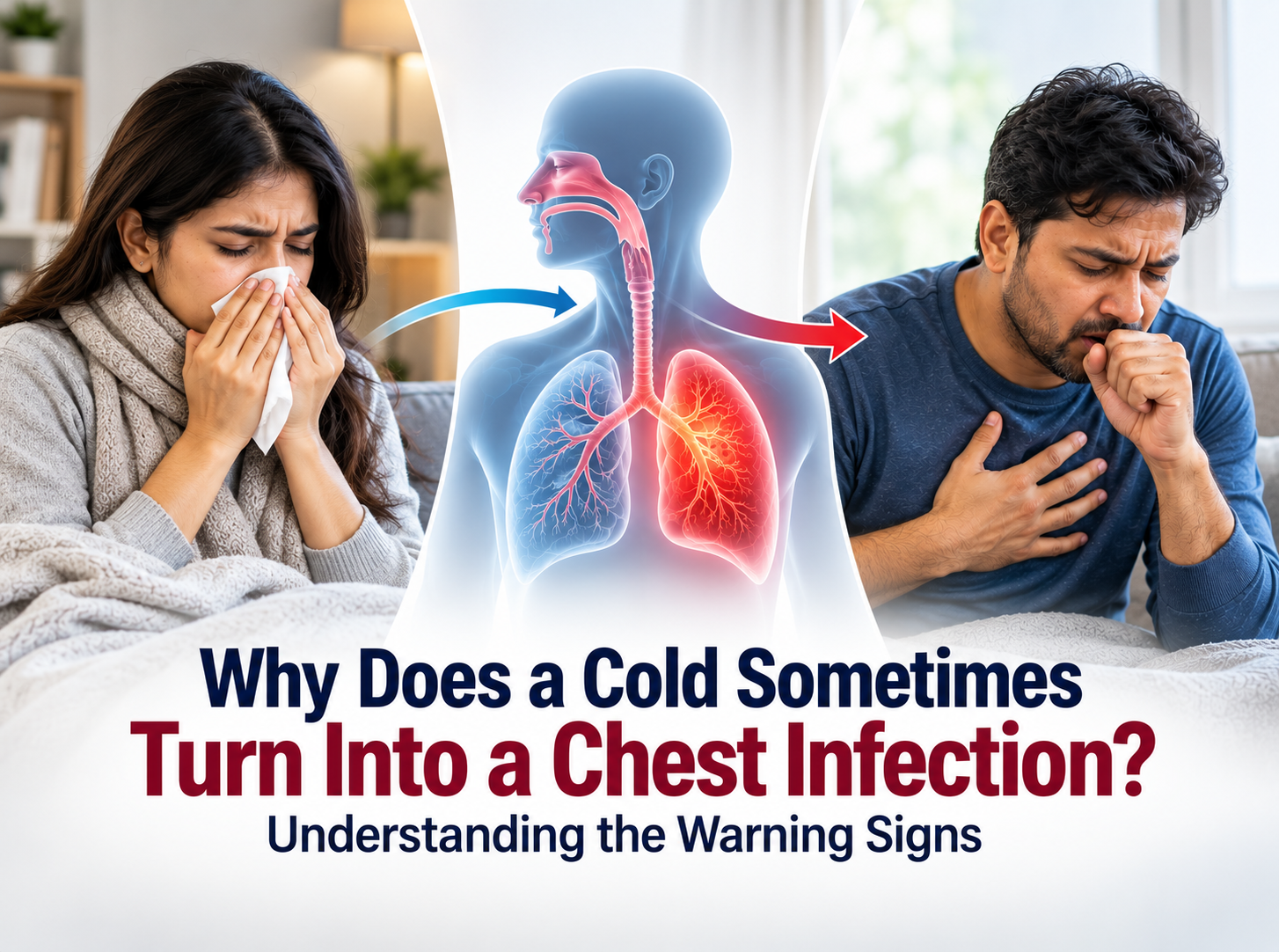
A common cold usually begins with symptoms such as a runny nose, sneezing, sore throat, and mild coughing. For most people, these symptoms gradually improve within a week or two. However, some individuals may notice that their cough becomes more persistent, they develop chest discomfort, or breathing becomes difficult even after their initial cold symptoms begin to settle.
These changes can sometimes indicate that an infection is affecting the lower respiratory tract or that another respiratory condition has developed. Although most colds do not progress into serious chest infections, understanding the warning signs can help you recognise when medical attention may be necessary.
Understanding Upper and Lower Respiratory Tract Infections
The respiratory system consists of different structures that work together to help us breathe. Respiratory infections are commonly classified according to the areas they affect.
Upper Respiratory Tract Infections
Upper respiratory tract infections generally affect the nose, sinuses, throat, and related upper airway structures.
Common examples include:
-
Common cold
-
Sinusitis
-
Pharyngitis
-
Laryngitis
These infections are frequently caused by viruses and often improve with supportive care.
Lower Respiratory Tract Infections
Lower respiratory tract infections affect structures such as the bronchi, bronchioles, and lungs.
Common examples include:
-
Acute bronchitis
-
Pneumonia
-
Bronchiolitis
Some lower respiratory infections may cause more significant symptoms and require medical evaluation, particularly in people with underlying health conditions.
Why Can a Cold Sometimes Lead to a Chest Infection?
A cold does not automatically develop into a chest infection. However, certain factors can increase the possibility of respiratory complications.
1. Infection Spreading to the Lower Airways
Some respiratory viruses can affect both the upper and lower respiratory tract.
An illness that initially causes nasal congestion and a sore throat may subsequently involve the bronchi or lungs, leading to symptoms such as a worsening cough, wheezing, or breathlessness.
2. Secondary Bacterial Infection
Occasionally, a viral respiratory infection may be followed by a bacterial infection.
Viral infections can affect the normal protective mechanisms of the respiratory tract, making it easier for certain bacteria to cause additional illness.
However, a worsening cough does not necessarily indicate a bacterial infection, and antibiotics are not appropriate for every respiratory illness.
3. Existing Respiratory Conditions
People with asthma, chronic obstructive pulmonary disease (COPD), bronchiectasis, or other chronic respiratory conditions may experience worsening symptoms during a common cold.
A viral infection can irritate sensitive airways and trigger increased coughing, wheezing, or breathing difficulty.
4. Reduced Immune Defence
Older adults, young children, and individuals with weakened immune systems may be more vulnerable to complications from respiratory infections.
People with certain chronic medical conditions may also require closer monitoring when respiratory symptoms develop.
What Are the Warning Signs of a Chest Infection?
A cough is common during and after a cold. However, certain symptoms may suggest that further medical evaluation is needed.
Persistent or Worsening Cough
A cough that continues after other cold symptoms improve is not always a sign of a chest infection. Airway irritation can persist for several weeks after a viral illness.
However, a cough that becomes progressively worse or is accompanied by other concerning symptoms should be assessed.
Fever That Persists or Returns
A fever that does not improve or returns after an initial period of recovery may indicate a complication or a new infection.
Chest Discomfort
Chest discomfort associated with coughing can sometimes result from strained chest muscles.
However, chest pain that occurs during breathing or is accompanied by fever or breathlessness may require further investigation.
Shortness of Breath
Breathlessness during ordinary activities or difficulty breathing while resting should not be ignored.
Unusual Tiredness
Fatigue is common during respiratory infections, but severe or worsening weakness, particularly when accompanied by fever or breathing difficulty, may indicate the need for medical attention.
How Can You Tell the Difference Between a Cold and a Chest Infection?
Although symptoms can overlap, certain patterns may help you recognise when an illness needs further evaluation.
| Common Cold | Possible Chest Infection |
|---|---|
| Runny or blocked nose | Persistent or worsening cough |
| Sneezing | Chest discomfort |
| Sore throat | Fever or chills |
| Mild cough | Cough with or without sputum |
| Usually improves gradually | May involve breathlessness or significant fatigue |
These differences are only general observations. Symptoms alone cannot reliably confirm whether an infection is affecting the lungs.
Who Is More Likely to Develop Respiratory Complications?
Some people may have a higher risk of complications from respiratory infections, including:
-
Adults aged 65 years and above
-
Infants and young children
-
People with asthma or COPD
-
Individuals with chronic heart or lung conditions
-
People with diabetes or weakened immunity
-
Smokers and individuals exposed to tobacco smoke
People in these groups should seek timely medical advice if symptoms worsen or fail to improve.
How Are Chest Infections Diagnosed?
Doctors assess respiratory infections based on symptoms, medical history, physical examination, and investigations when necessary.
Medical Examination
A doctor may listen to the lungs, assess breathing patterns, check temperature, and measure oxygen saturation.
Chest X-Ray
A chest X-ray may be recommended when pneumonia or another significant lung condition is suspected.
Not everyone with a cough or cold requires chest imaging.
Blood Tests
Blood investigations may sometimes help assess the patient's overall condition or provide additional information when a significant infection is suspected.
Sputum and Other Respiratory Tests
In selected cases, sputum testing or tests for specific respiratory pathogens may be recommended.
The choice of investigation depends on the patient's symptoms, examination findings, risk factors, and clinical condition.
For specialised evaluation and treatment, learn more about Management of Upper and Lower Respiratory Tract Disorders at Santosham Chest Hospital.
Can You Prevent a Cold From Developing Into a Chest Infection?
It is not possible to prevent every respiratory infection or complication. However, several practical measures can help reduce the risk.
Practise Good Hand Hygiene
Wash your hands regularly with soap and water, particularly after coughing, sneezing, or spending time in crowded environments.
Avoid Smoking and Second-Hand Smoke
Tobacco smoke irritates the respiratory tract and can affect the lungs' natural protective mechanisms.
Stay Up to Date With Recommended Vaccinations
Vaccinations against influenza, COVID-19, and pneumococcal disease, when appropriate for your age and health status, can help reduce the risk of certain respiratory infections and complications.
Manage Existing Lung Conditions
People with asthma, COPD, or other chronic respiratory conditions should follow their prescribed treatment plans and discuss worsening symptoms with their healthcare providers.
Allow Time for Recovery
Adequate rest, hydration, and appropriate supportive care can help manage symptoms during a respiratory infection.
Avoid taking antibiotics without medical advice, as most common colds are caused by viruses.
When Should You Consult a Chest Specialist?
Consider consulting a doctor if:
-
Your cough is becoming progressively worse
-
Fever persists or returns after initially improving
-
You experience breathlessness during normal activities
-
You develop chest discomfort associated with respiratory symptoms
-
Your symptoms are not improving as expected
-
You have an existing lung condition and notice worsening breathing symptoms
Seek urgent medical attention for severe breathing difficulty, persistent or severe chest pain, confusion, bluish lips, or other signs of serious illness.
Why Is Timely Respiratory Evaluation Important?
A cough following a cold can have several possible causes, including lingering airway irritation, bronchitis, pneumonia, asthma exacerbation, or other respiratory conditions.
Because these conditions may produce similar symptoms, identifying the underlying cause is important before deciding on treatment.
Early medical evaluation can help doctors distinguish between conditions that require supportive care and those that may need specific medicines, investigations, or closer monitoring.
Conclusion: Pay Attention When Cold Symptoms Change
Most common colds improve without serious complications. However, a cough that becomes worse, fever that returns, chest discomfort, or unusual breathing difficulty may indicate that additional medical attention is needed.
Recognising these warning signs can help you avoid unnecessary delays in diagnosis and treatment. Rather than assuming that every persistent cough is part of a common cold, consult a qualified respiratory specialist when symptoms are worsening or not improving as expected.
Santosham Chest Hospital provides evaluation and management of upper and lower respiratory tract disorders, helping patients identify the causes of respiratory symptoms and receive appropriate medical care.
RECENT BLOGS
- Why Does a Cold Sometimes Turn Into a Chest Infection? Understanding the Warning Signs
- Why a Dry Cough and Breathlessness During Activity Should Not Be Ignored
- Persistent Cough or Tuberculosis? When Should You Get Tested for TB?
- Why Asthma Gets Worse at Night: Causes & What to Do
- Uniportal VATS: How Single-Incision Thoracic Surgery Works
- Is Pulmonary Tuberculosis Curable? Understanding Modern Treatment
- Gastroscopy Treatment in Chennai | Upper GI Endoscopy | Santosham Chest Hospital
- How CT-Guided Biopsy Helps Diagnose Lung Tumors
- Best Ways to Keep Your Lungs Healthy Naturally
- Best Interstitial Lung Disease Treatment in Chennai – Symptoms, Causes & Care
- Why Breathing Problems Increase During Summer in Chennai
- What to Expect During Your First Lung Checkup
- Top Causes of Asthma Attacks and How to Prevent Them
- Inside a Super Specialty Chest Hospital: Facilities Explained
- Best Treatment Options for Asthma in Adults
- Early Warning Signs of Lung Diseases You Should Never Ignore
- Why Early Stomach Testing Can Prevent Serious Complications
- How Breathing Problems Can Indicate a Surgical Chest Condition
- What Is Bronchoscopy? Procedure, Uses, and Benefits Explained
- Personalized Esophageal Surgery: What Patients Should Know
- Global Thoracic Surgery Market & Growth Trends in 2026
- When Chest Pain Is Not a Heart Attack: Other Possible Causes
- Hidden Causes of High Blood Pressure: Reasons Most People Ignore
- Signs Your Body Needs Physiotherapy: Don’t Ignore These Early Symptoms
- Understanding Echocardiography: What It Reveals About Your Heart
- Top Benefits of Physiotherapy for Heart and Lung Patients
- Signs You Might Have High Cholesterol and How to Lower It Naturally
- Contrast vs. Non-Contrast CT Scans: Key Differences Explained
- Frequently Asked Questions About Gastroscopy: A Patient-Friendly Guide
- How Better Sleep Improves Lung Health and Eases Breathing Problems
- Breathe Better, Live Better: How Yoga Improves Lung and Heart Health
- Managing High Cholesterol Naturally: Food, Exercise & Lifestyle
- Tips for Traveling Safely with Heart or Lung Conditions
- Understanding Hypertension: Causes, Symptoms, and Control Strategies
- Why Regular Checkups Matter: Early Detection for Heart and Lung Health
- Understanding Sleep Apnea: Causes, Symptoms, and Treatment Options
- How Diabetes Affects Your Heart and Lungs: What You Need to Know
- Post-Heart Surgery Care: Essential Tips for Faster Recovery and Better Heart Health
- Physiotherapy in Healthcare: Why It's Essential for Post-Operative Recovery
- A Complete Guide to Ultrasonography: Procedure, Benefits, and Applications
- The Complete Guide to Pulmonary Function Tests: Preparing, Procedure, and Results
- Breathing Easy: Simple Habits for Better Lung Health and Wellness
- Understanding Asthma: Symptoms, Triggers, and How to Manage It Effectively
- Recognizing a Heart Attack: Early Symptoms and Immediate Steps to Take
- CT Scans: Everything You Need to Know � Procedure, Precautions, and How They Help Your Health
- Choosing the Right Hospital: What Patients Need to Know for Better Healthcare
- The Journey to Better Digestive Health: Identifying Issues with Gastroscopy
- Simple Food Habits to Boost Your Immune System and Respiratory Health
- The Importance of Regular Health Screenings for Heart Disease Prevention
- Fit for Life: The Health Benefits of Regular Exercise for Everyone
- Living with Pulmonary Hypertension: Managing Symptoms and Improving Quality of Life
- Exploring the Lifelong Benefits of Physical Activity on Heart Health
- The Role of CT Scans in Diagnosing Respiratory Conditions: What Patients Need to Know
- Unlocking the Benefits of Regular Physical Activity for Heart Health
- The Role of Diet in Asthma Management: Foods to Eat and Avoid
- The Role of CT Scans in Diagnosing Respiratory Disorders
- How to Prepare for Thoracic Surgery: A Patients Guide
- BreatheWell Insights: Navigating Respiratory Health with Santosham Chest Hospital
- Gastroscopy Demystified: Your Essential Guide to Digestive Health
- Thoracic back pain treatment
- Quit smoking save your lungs � how to quit smoking?
- Asthma Symptoms and Treatments You Should Know
- Best Chest Hospital in India
- Exercises for COPD patients
- What to Expect at a Pulmonary Function Test
- Types of Asthma Medications
- Tips for keeping your lungs healthy
- Santosham Hospital- the best Pulmonology Hospital in India
- Guide to Gastroscopy - Symptoms & Procedure
- COPD - Know the Signs and Symptoms & Get the Facts
- Living with Pulmonary Hypertension
- Smoking and COPD Effects
- Earliest Symptoms of Lung Cancer
- What You Need To Know About Asthma
- Side Effects of Eating Too Much Chocolate
- Top 4 Ways You Can Purify Your Lungs Naturally
- Rotational shifts are disrupting your metabolism
- How to survive heart attack when you�re alone?
- Tips for a Healthy Mind, Body And Spirit
- Seven Ways to Cut the Junk Food
- How Fruits and Vegetables are important for the diet?
- 5 reasons why walk is the best workout
- 7 benefits of eating healthy and exercising regularly
- 7 Best Exercise To Keep Your Heart Healthy Forever
- 10 Good Habits for Healthy Heart
- 10 Foods to Keep your Heart Healthy